

Uncrewed Surface Vessels (USVs), also known as remotely operated or unmanned surface vessels, are rapidly reshaping maritime operations. Once limited to research and surveying, they now play an expanding role in offshore maintenance, environmental monitoring, and data collection. As these systems evolve, they are redefining how the maritime industry works, and what skills are required to operate safely and effectively.
The rise of (semi-) uncrewed vessels
There are several drives behind this innovation. Global crew shortages and rising operational costs are accelerating the shift toward remote and automated operations. At the same time, the focus on safety and sustainability pushes for smaller, lighter, and more energy-efficient platforms that can operate for extended periods without direct human presence.
Yet this evolution does not replace human expertise; it reshapes it. Uncrewed and hybrid vessel operations demand new forms of competence, combining digital, navigational, and systems management skills. Technology may extend the vessel’s reach, but it is still the human who ensures safe, compliant, and efficient operations.
Supported by advances in sensors, communication networks, and renewable energy systems, some advanced USVs can now stay at sea for weeks or even months, providing valuable data while reducing human exposure to risk. For training organizations, this presents both an opportunity and a challenge: how to prepare people to command vessels they no longer physically stand on. For Vessel Remote Control Centre Operators (RCCO), the DNV has already set the first competence standard and framework for certification, emphasizing that human involvement remains vital in autonomous and semi-autonomous operations.
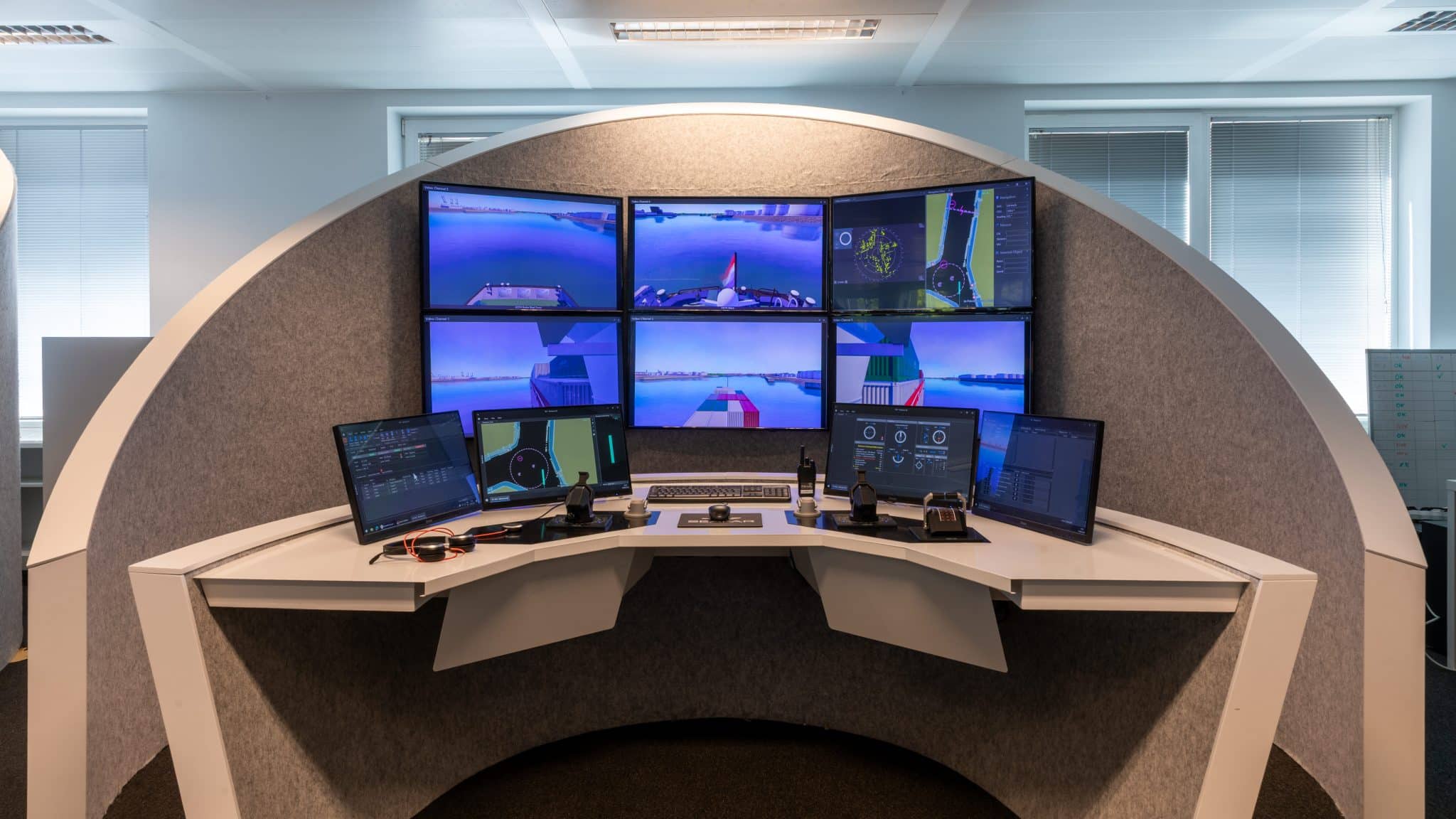
The Human Factor: New Skills and New Risks
Remote operations depend on human decision making, but the context is different. The bridge still exists, but it is now a control room on shore. Operators interpret radar, camera feeds, and system data to manage vessels they cannot see directly. This requires strong situational awareness, coordination, and resilience.
A recent study published by MDPI identified key sustainable competencies for remote vessel operators. These include digital literacy, teamwork across distances, and the ability to manage automated systems under stress. The findings emphasize that while technology handles navigation and communication, humans remain responsible for safety and compliance.
New risks lead to developing new skills on how to handle those. Data loss, signal delays, and cyber incidents can disrupt operations. The Cambridge University Press model of remote operator competency outlines that decision making, coordination, and error management are central to safe uncrewed operations. Simulation could provide the controlled environment to build and test these competencies before real deployment.
Regulation: The Missing Framework
The pace of technological progress has exceeded the speed of regulation. The Wall Street Journal reports that remote pilotage projects and early commercial applications are already underway, highlighting the need for clear rules and competency standards.
Questions around safety, certification, and accountability remain open. When is human presence still required on board? How should remote operators, who command vessels from shore, be trained, assessed, and certified? And what procedures can ensure cybersecurity, communication stability, and system resilience across long-distance operations?
These discussions are still unfolding across the industry. In the meantime, simulation could provide a safe and effective way to explore these challenges in practice and can help shape the regulatory frameworks of the future.
Simulation: Building Confidence in Remote Operations
Simulation is one of the safest and most effective environments to train people for uncrewed and remote vessel operations. It reproduces real systems and challenges without operational risk, allowing both trainees and instructors to test procedures, evaluate responses, and measure performance.
In maritime training technology, simulation can recreate elements of remote command. Typical exercises include:
- Maintaining awareness and control with limited sensor information.
- Responding to communication loss or data interruptions.
- Managing cybersecurity breaches or system errors.
- Coordinating between shore operators and onboard maintenance crews.
These sessions develop the reflexes and teamwork needed for safe operations. They also provide measurable data on how human and system performance interact, which can help define competency frameworks and safety protocols that may eventually inform regulation.
Moving Forward Responsibly
The rise of uncrewed surface vessels marks an important step in the modernization of maritime operations. But as vessels become more automated, the focus on people must remain strong. Simulation helps ensure that innovation and human skill develop together. It prepares operators to manage complexity, maintain safety, and act confidently when unexpected situations arise.
The future of remote operations depends on how effectively the industry integrates technology with training. By adopting simulation early, organizations can lead this transformation safely and responsibly.
Take the Next Step
VSTEP supports maritime organizations and training providers worldwide with simulation solutions that help prepare operators for uncrewed and hybrid vessel control. Discover how simulation can prepare your teams for the next generation of remote vessel operations.


