

The Evolving Landscape of Maritime Safety Training
Maritime safety training continues to evolve as new technology transforms how we work at sea. Autonomous and remotely operated vessels, data-driven navigation, and AI-supported decision systems are redefining how crews operate at sea. At the same time, the push toward decarbonization introduces new technologies and procedures that demand updated training and awareness.
As regulatory frameworks evolve to reflect these changes, there is growing value in agile training and validation tools that prepare crews ahead of formal adoption.
Regulation and Innovation Work Together
Innovation and regulation continually influence each other. Innovation often outpaces regulation, leading to the need for new standards. Every major advancement, from ECDIS to integrated bridge systems, has reshaped safety and certification requirements.
This dynamic means that maritime safety training must evolve in parallel.
As Lloyd’s Register highlights, digital transformation is redefining maritime operations and training requirements. The challenge is not only to comply with regulations but to ensure that crews can make sound, informed decisions in increasingly complex digital environments.
The Role of Simulation in Regulatory Readiness
Simulation could contribute valuable insights to discussions around future standards. Simulation-based training can help organizations anticipate and adapt to emerging regulatory expectations. It can play a key role in making training programs more adaptable and resilient to regulatory change, by helping to establish stress-test measurable competency standards and assessment.
Examples include:
- Scenario-based bridge training to measure decision quality and teamwork under pressure.
- Environmental compliance exercises to assess responses to emission targets or fuel efficiency measures.
- Complex vessel operations and system failures to test adaptability and resilience.
How NAUTIS Strengthens Maritime Safety Training
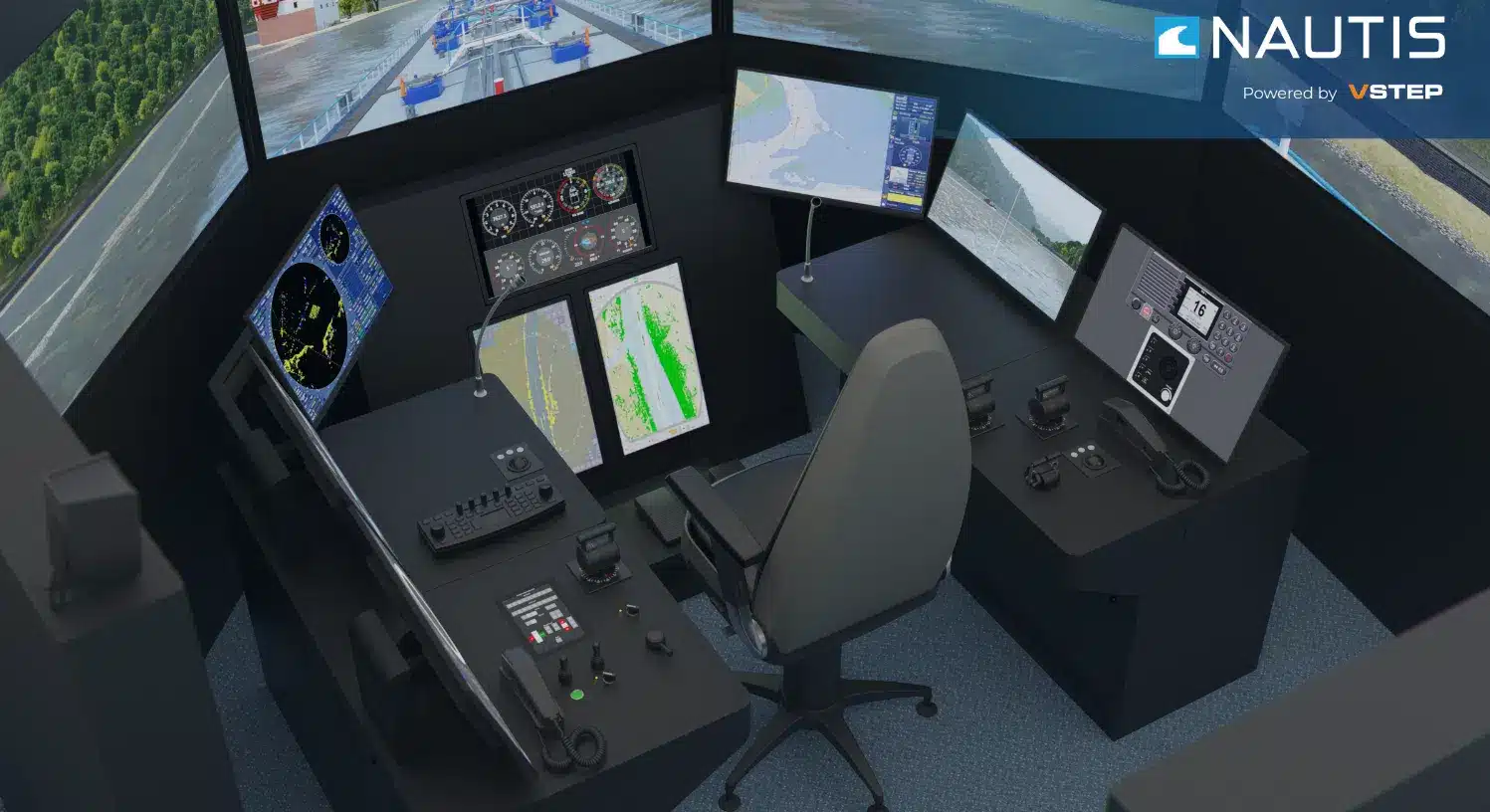
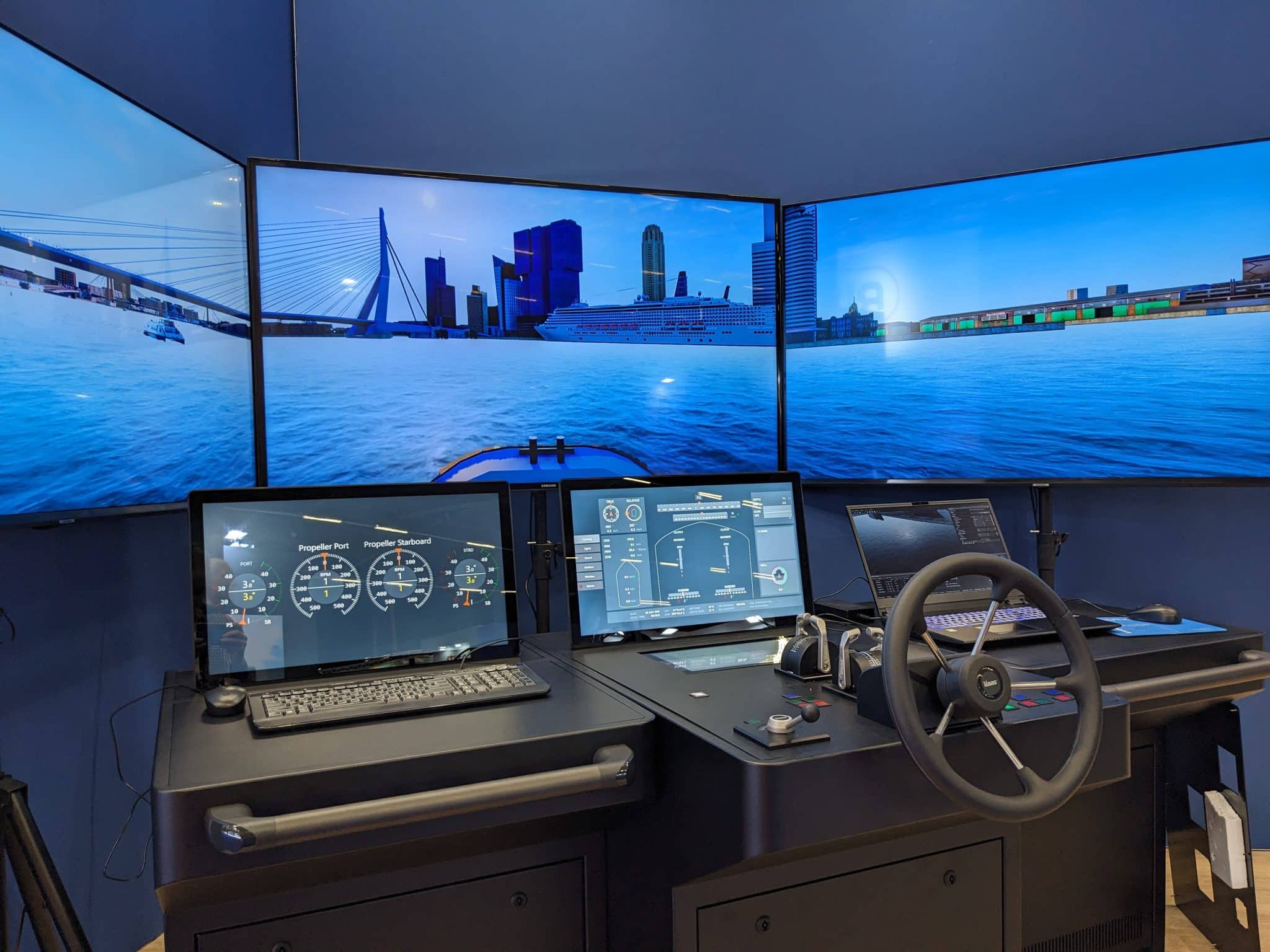
We design simulation technology to prepare trainees for what comes next. The NAUTIS Simulator gives instructors and learners realistic maritime safety training environments that reflect real operations. Instructors can focus on human performance, bridge procedures, and system use. Trainees can practice repeatedly until competence is consistent.
NAUTIS combines accurate vessel hydrodynamics, flexible layouts, and scalable scenarios. This lets training centers replicate complex situations in a consistent and repeatable way. It also ensures organizations can adapt to their maritime safety training as technology and operations evolve.
Research from RAA Labs confirms that digitalization in maritime work requires a new balance between human and system skills. Simulation supports this balance by giving operators realistic environments to practice in before stepping into real-world challenges.
Getting Ready Before Change Arrives
Maritime regulations will continue to evolve as maritime operations become more advanced. True readiness depends on preparation that starts early. Simulation gives the sector the ability to look ahead, to test ideas, and to reskill people in a safe and structured way.
Whether the goal is to prepare for new systems, update procedures, or strengthen overall crew performance, simulation helps keep people at the center of innovation by turning learning experiences into safer operational practices.
Take the Next Step
VSTEP supports maritime academies, training centers, and fleet operators worldwide with simulation solutions that strengthen maritime safety training and operational readiness. The NAUTIS Simulator provides realistic, flexible, and scalable training environments designed to build competence and confidence across all vessel types.
Ready to see how simulation can improve your maritime safety training?


